Axial Commons Image Treasury
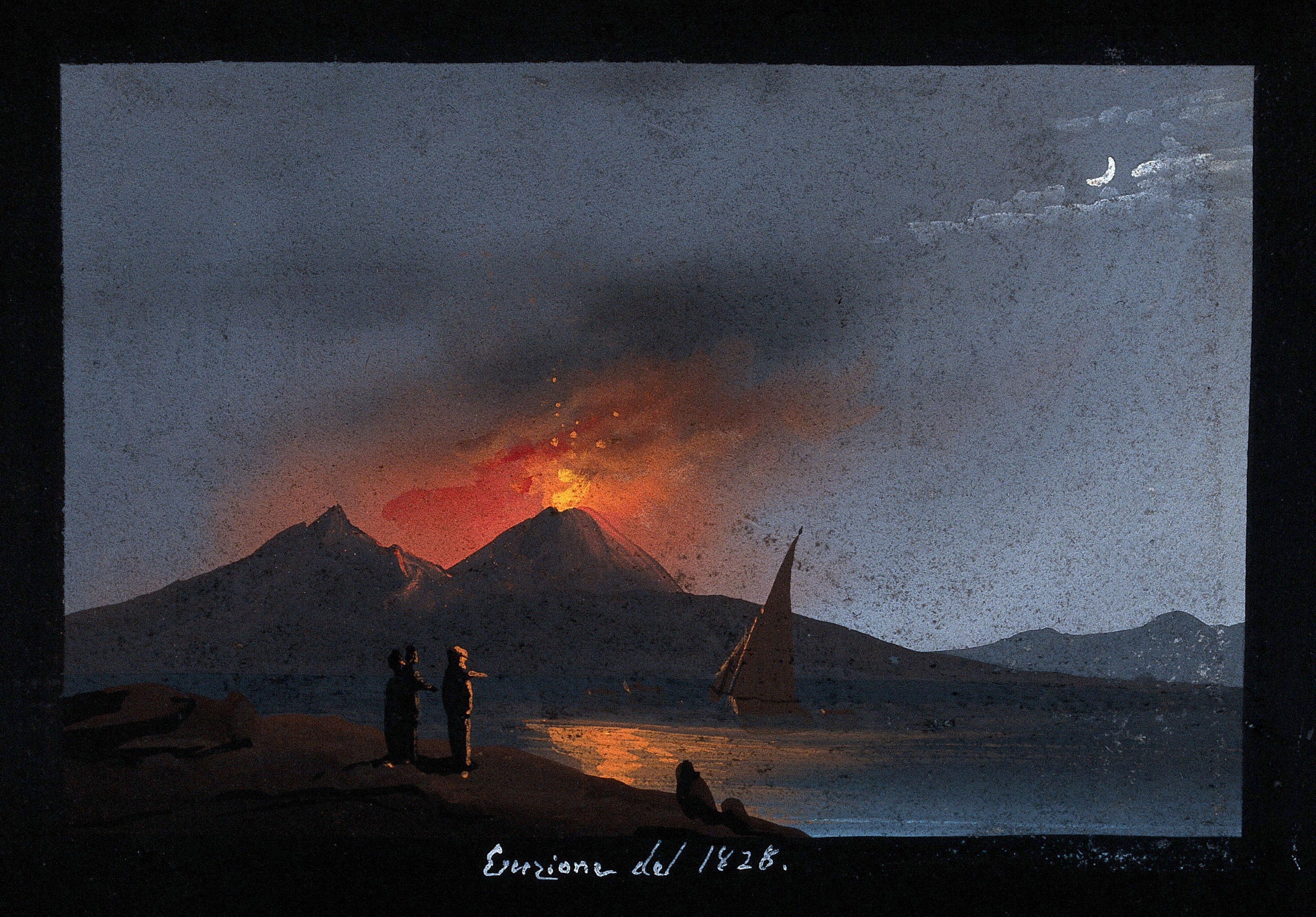
Gouache nocturna del monte Vesubio en erupción con brillo rojo, dos figuras en la orilla y un velero en una bahía.

Erupción del Vesubio de noche, Bahía de Nápoles, 1828

Una gouache muestra el monte Vesubio en erupción durante la noche, con una columna roja y brillante que ilumina el cielo oscuro sobre las montañas. En primer plano, dos pequeñas figuras están en la orilla junto a un velero sobre el agua reflectante, y la inscripción 'Eruzione del 1828' aparece en el borde inferior.

Artista
Desconocido
Fecha
1828
Técnica
Gouaches Paintings
Fuente
Wellcome Collection
Tamaño
4000 × 2788 px
Descargar en tamaño completo
Dominio público · Wellcome Collection marks it Public Domain Mark; made by 1828.
Derechos verificados 2026-11-05 · nivel A · según la fuente: Public Domain Mark (Wellcome Collection)

Crédito (se agradece, no es obligatorio en obras de dominio público): Wellcome Collection
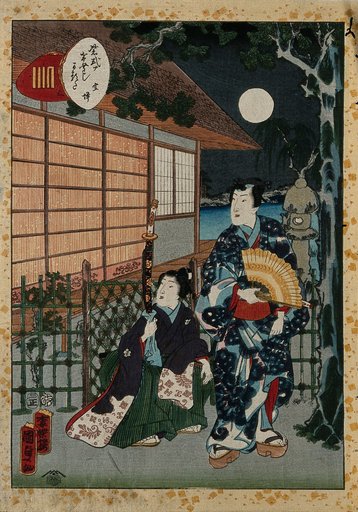
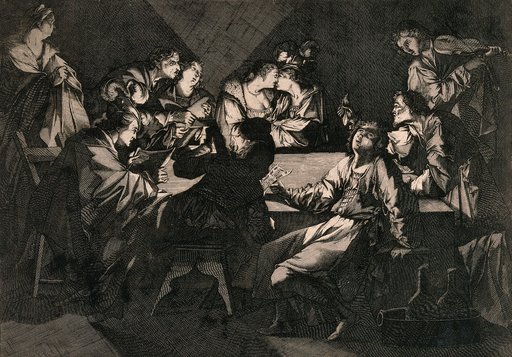
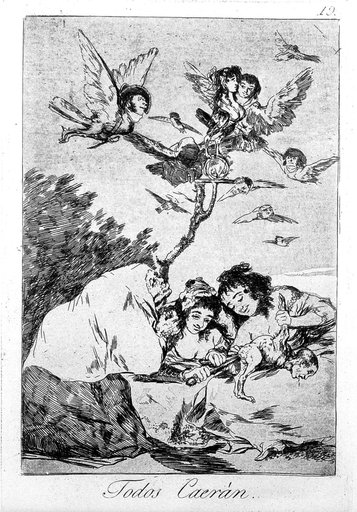
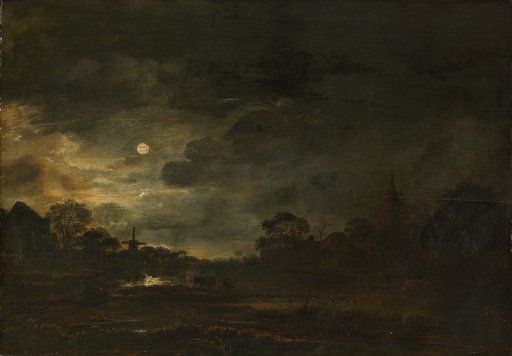
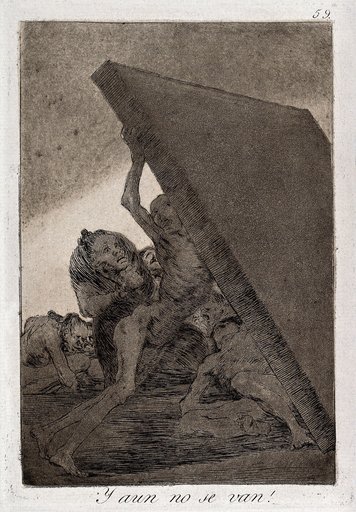
Más de La noche y los sueños

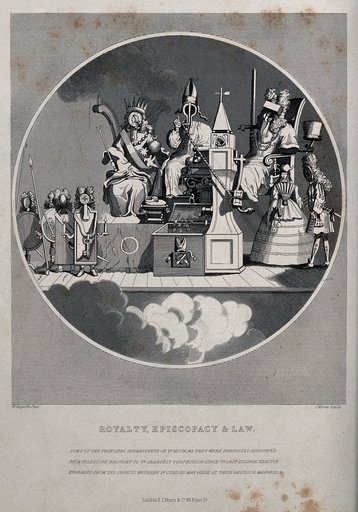
King George I representing royalty, a bishop representing episcopacy; and a judge representing law, all as seen through a telescope as inhabitants of the moon. Engraving by J. Moore, 18-- after W. Hogarth, 1724.King George I representing royalty, a bishop representing episcopacy; and a judge represenGenji and a boy attendant outside a house on a moonlit night. Colour woodcut by Kunisada II, 1857.Genji and a boy attendant outside a house on a moonlit night. Colour woodcut by Kunisada IA private concert at night: people around a table are playing music, embracing and singing. Engraving after J. Leclerc.A private concert at night: people around a table are playing music, embracing and singingTwo young women pluck a bird which has a man's head, while an old woman prays. Etching by F. Goya, 1796/98.Two young women pluck a bird which has a man's head, while an old woman prays. Etching by Landschap bij maanlichtLandschap bij maanlichtTwo withered wretches trying to hold up a slab of stone. Etching by F. Goya, 1796/1798.Two withered wretches trying to hold up a slab of stone. Etching by F. Goya, 1796/1798.