Axial Commons Image Treasury
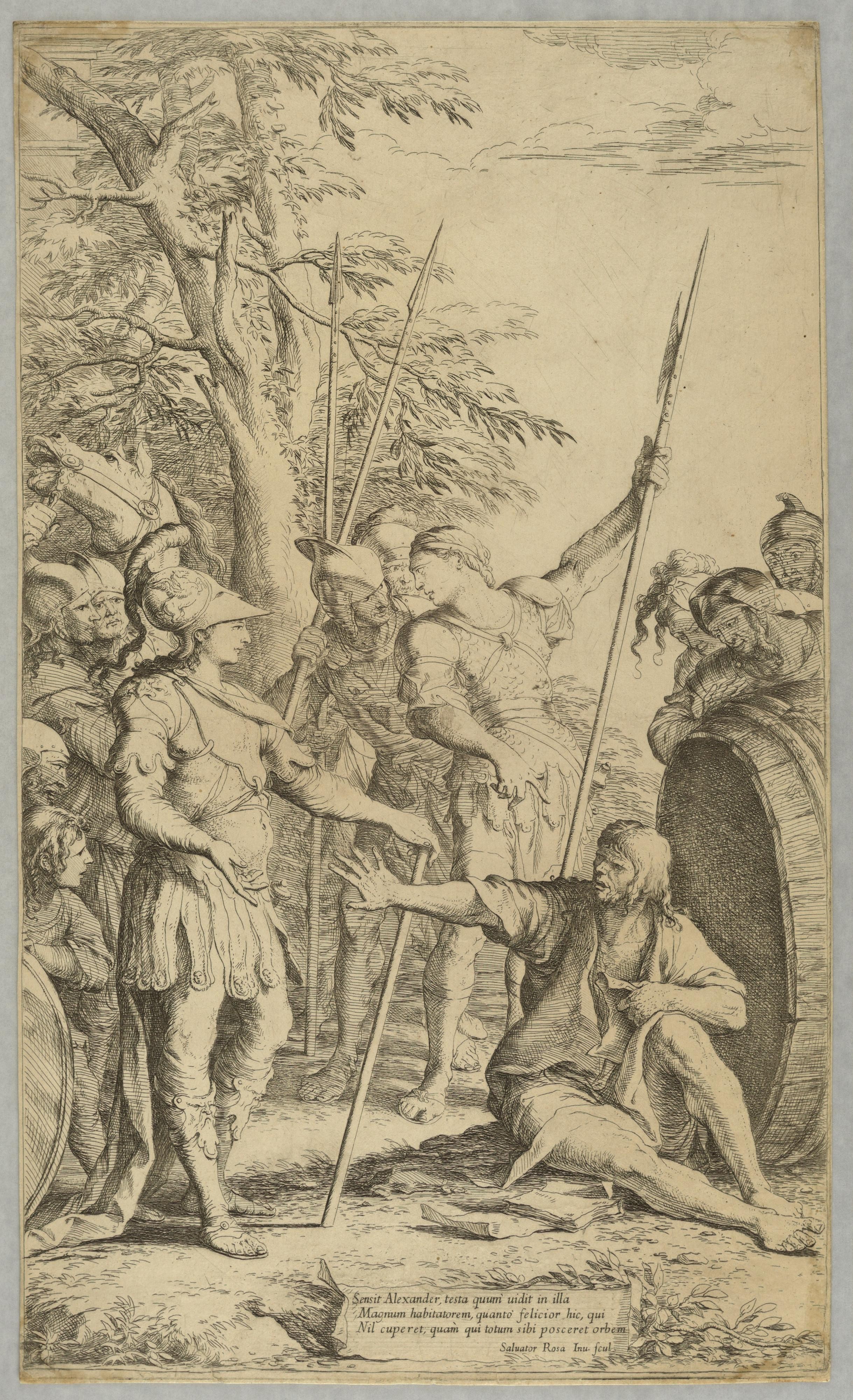
Gravura de uma figura armada de capacete estendendo a mão a um homem sentado seminu junto a uma árvore, com lanceiros e escudos ao fundo.

Alexandre visitando Diógenes, após Salvator Rosa

Uma gravura em água-forte e ponta seca mostrando uma figura de capacete e armadura em pé à esquerda, estendendo a mão para um homem sentado, quase nu, apoiado em uma rocha sob uma árvore. Soldados com lanças e escudos ocupam o fundo, e uma inscrição em latim percorre a margem inferior.

Artista
Salvator Rosa
Data
1615–1673
Técnica
Etching and drypoint on laid paper
Fonte
Smithsonian (Cooper Hewitt, Smithsonian Design Museum)
Tamanho
2438 × 4000 px
Baixar em tamanho original
Domínio público · Smithsonian (Cooper Hewitt, Smithsonian Design Museum) releases this image under CC0 (latest date 1673).
Direitos verificados 2026-11-05 · nível A · conforme a fonte: CC0 (Smithsonian Open Access)

Crédito (bem-vindo, não obrigatório em obras de domínio público): Smithsonian Institution, Cooper Hewitt, Smithsonian Design Museum
Mais de Filósofos e sábios

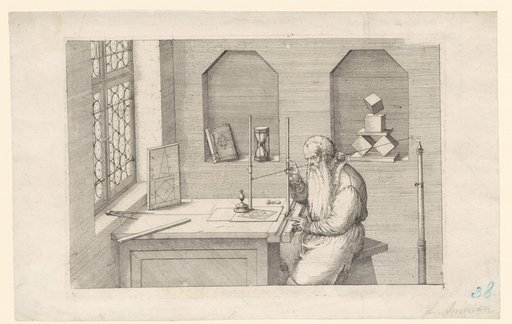
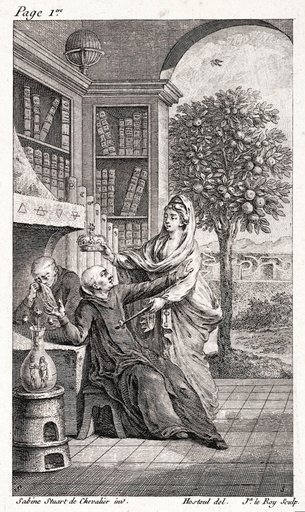
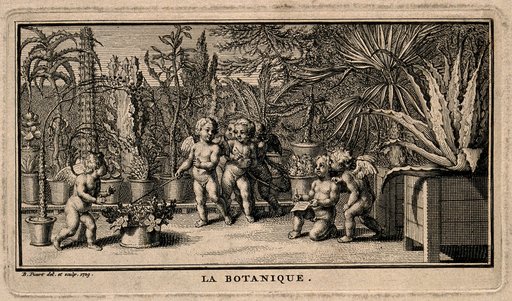
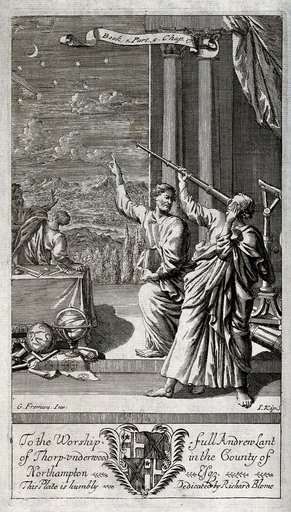
Scholar and attendantsScholar and attendantsSe-quo-yahSe-quo-yahPortret van Wenzel Jamnitzer, bezig met perspectivische berekeningenPortret van Wenzel Jamnitzer, bezig met perspectivische berekeningenBasil Valentine contemplates a chemical jar containing homunculi of a man and woman holding hands, and a child emanating from them (alchemical symbol of conception); he is suddenly visited by Sabine Stuart de Chevalier, who reveals that she has the key to his works and crowns him as the king of alchemists. Etching by J. Le Roy, ca. 1781, after Hostoul after Sabine Stuart de Chevalier.Basil Valentine contemplates a chemical jar containing homunculi of a man and woman holdinPutti study the plants in a botanical garden; representing botany. Etching by B. Picart, 1729, after himself.Putti study the plants in a botanical garden; representing botany. Etching by B. Picart, 1Astronomy: an ancient scholar (Aristotle?) observing a meteor or comet using a telescope. Engraving by J. Kip, 1694, after G. Freman.Astronomy: an ancient scholar (Aristotle?) observing a meteor or comet using a telescope.